Children's Toys in India: A Journey Through Play and Learning
Welcome to Little World India, your go-to blog for insights on children's needs, early learning, toys, room design, education, and clothing. Discover tips and resources tailored for parents looking to nurture their child's growth in a natural, earth-tone inspired environment. Join us on this exciting journey!
TOYS
Granth jain
1/10/20263 min read
Types of Toys and Their Impact
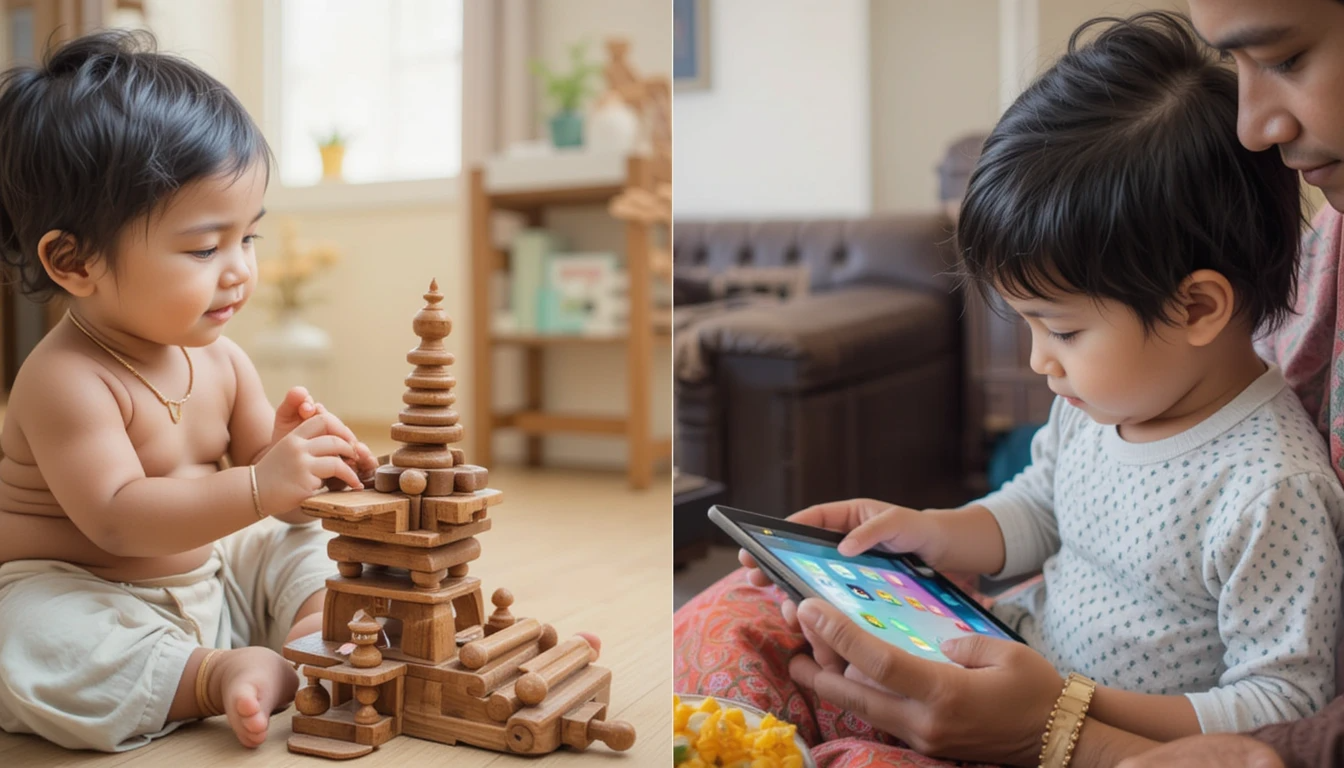
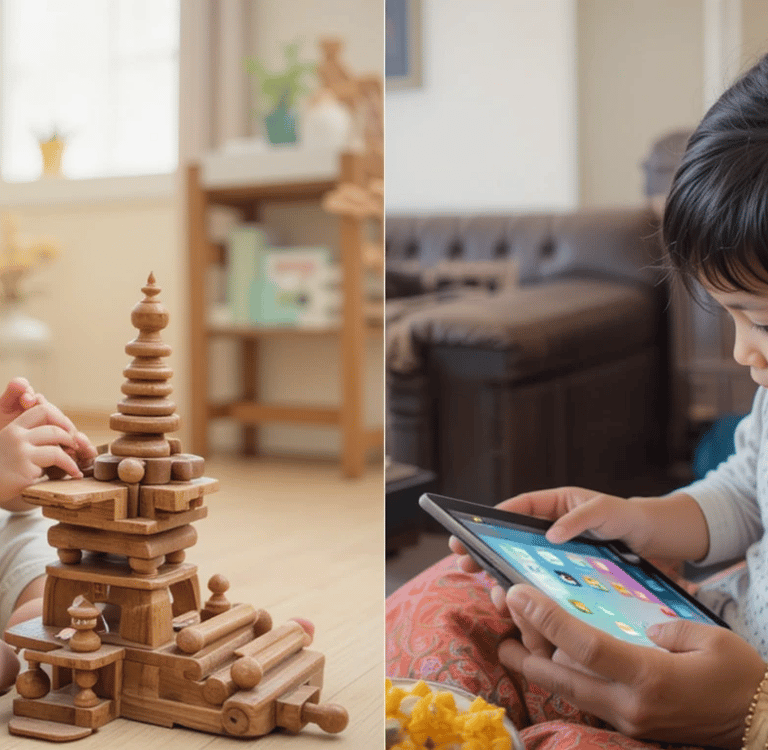
Traditional Indian Toys: Wooden toys from Channa Patna (Karnataka) or Varanasi, known for their vibrant colours and craftsmanship, connect children to their cultural heritage.
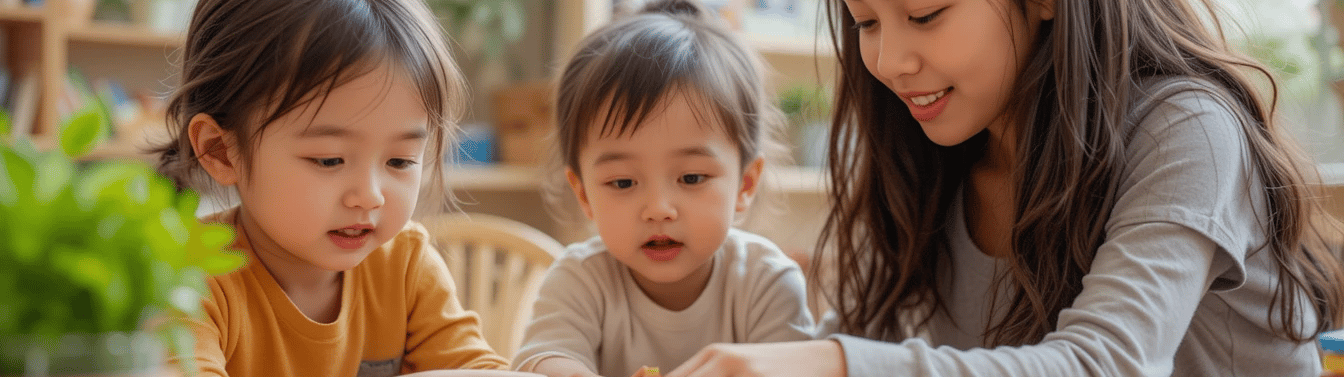
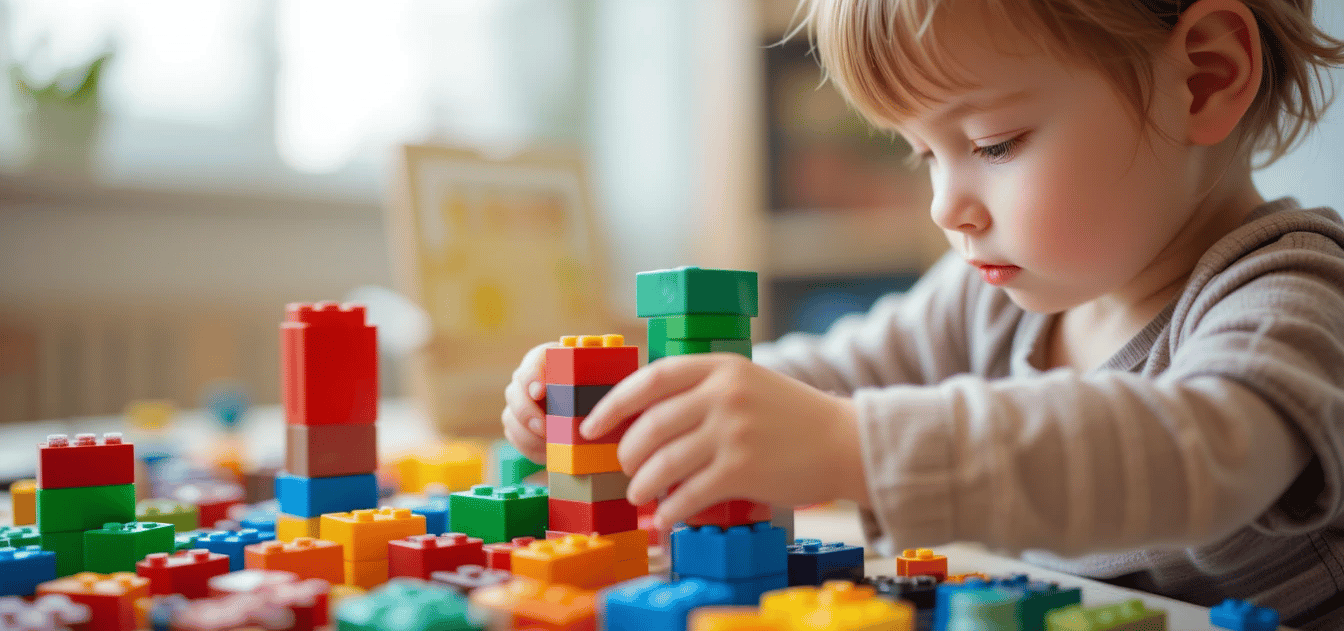
Educational Toys: Puzzles, building blocks, and interactive games promote logical thinking, problem-solving, and cognitive skills
Outdoor Toys: Balls, skipping ropes, and bicycles encourage physical activity, gross motor skill development, and social interaction
Digital Toys & Educational Apps: When used responsibly, these can enhance learning and technology literacy
Guiding Your Child's Play: Tips for Indian Parents
Encourage a mix of toy types: Offer toys that stimulate different areas of development.
Prioritize open-ended toys: Toys that can be used in multiple ways encourage creativity and imagination
Promote cultural toys: Introduce toys that connect children to their Indian heritage.
4.Monitor screen time: Balance digital play with physical and social activities1.
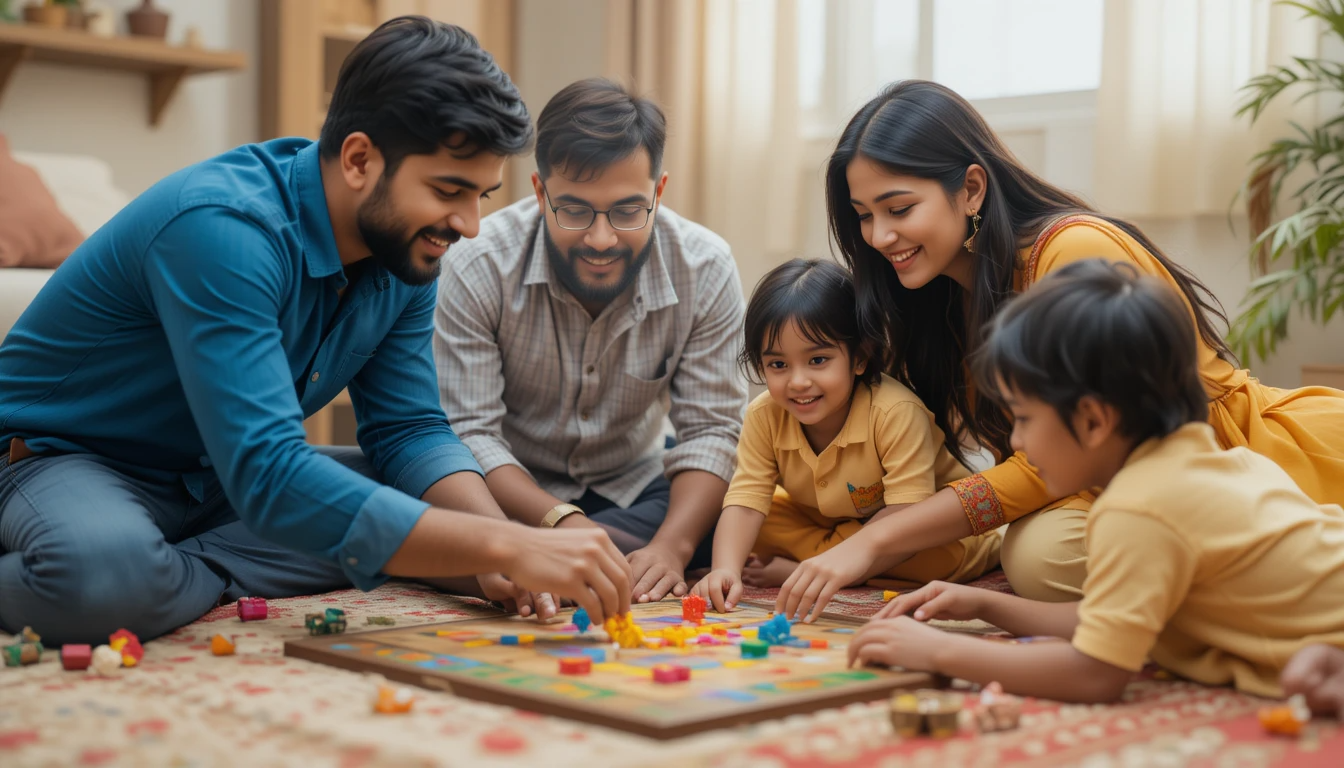
5.Engage in play: Play with your child to bond, create positive memories, and guide their learning
Conclusion: Nurturing Growth Through Play
Toys are more than just objects; they are tools that shape our children's futures. By understanding the significance of play and choosing the right toys, Indian parents can provide a supportive environment that nurtures their child's overall growth, learning, and cultural identity.
Introduction: Toys - More Than Just Playthings in India
Toys have always been integral to childhood, but in India, they carry a special significance, deeply rooted in our culture and traditions. From ancient terracotta figurines to modern educational games, toys have shaped generations, fostering creativity, learning, and cultural identity. As we strive towards becoming "Aatma nirbhar Bharat" (self-reliant India), understanding the role of toys in child development is more important than ever.
A Glimpse into the History of Indian Toys
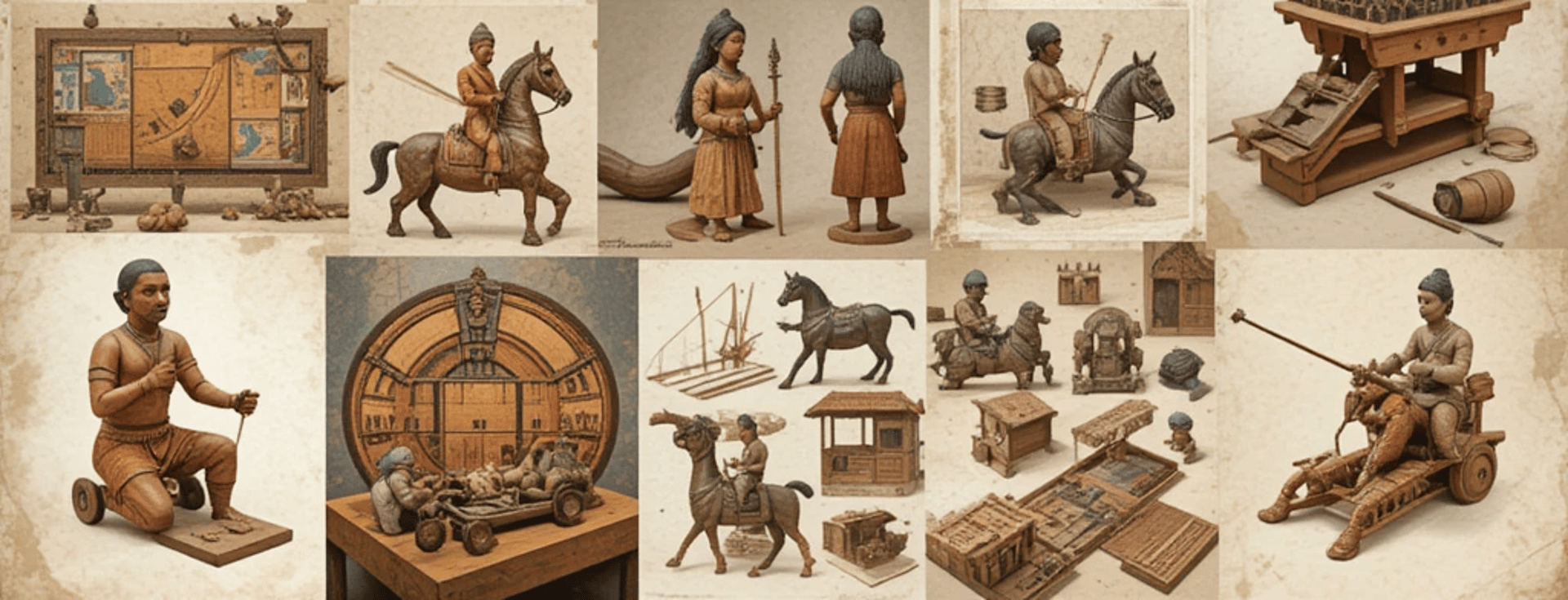
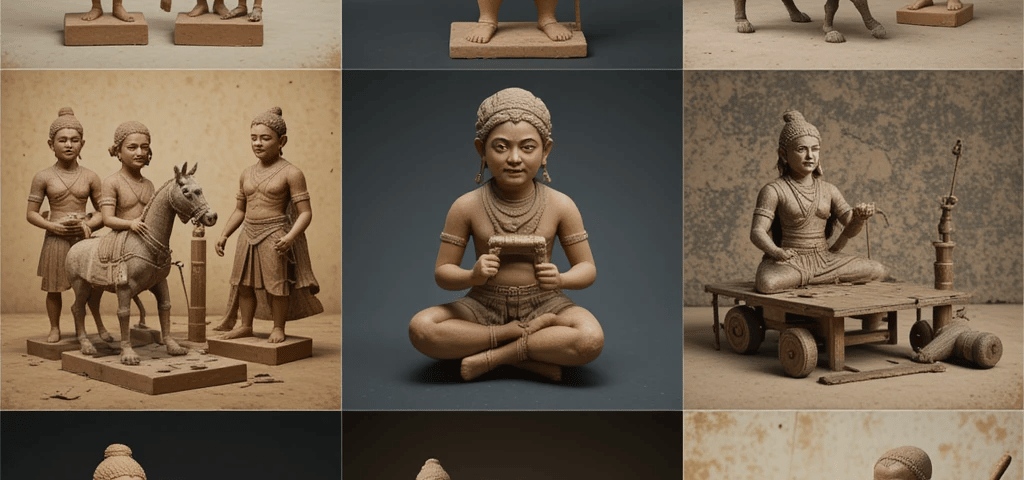
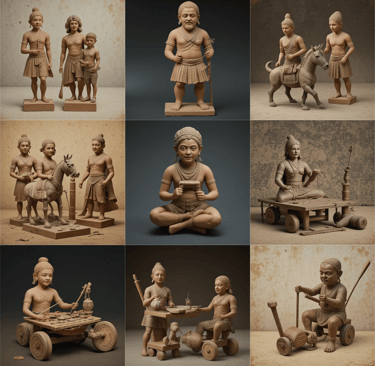
The story of Indian toys dates back to the Indus Valley Civilization (2500 BCE), where excavations revealed terracotta figurines, whistles, and miniature carts. These weren't just playthings; they were tools for developing motor skills and understanding the environment.
As India progressed, so did its toys. The Gupta period (4th to 6th century CE) introduced sophisticated board games like Pachisi (similar to Ludo) and Chess, enjoyed by both children and adults. Traditional toys like Lattu (spinning tops), Kancha (marbles), and cloth dolls became household staples, each region developing its unique style.
The Importance of Play: Why Toys Matter for Development
Toys are essential for a child's holistic development. They are not just for fun; they are tools that aid in physical, cognitive, emotional, social, and creative growth.
Motor Skills: Grasping and manipulating toys refines motor skills and hand-eye coordination.
Creativity and Imagination: Toys encourage children to create narratives and make sense of the world around them.
Cognitive Development: Toys stimulate concentration, attention span, and memory, improving a child’s ability to approach language and math.
Stem Learning: Toys offer a fun way to explore science, technology, engineering, and mathematics.
Emotional Development: Favourite toys help children practice bonding and connect with their feelings.