
Learning Spaces: Transforming Education in India for Future-Ready Students
Welcome to Little World India, your go-to blog for insights on children's needs, early learning, toys, room design, education, and clothing. Discover tips and resources to nurture your child's growth in a natural, earth-tone environment that promotes creativity and comfort. Join us on this exciting journey!
LEARNING
3/1/20253 min read
In India’s rapidly evolving education landscape, the concept of "learning spaces" has shifted from rigid classrooms to dynamic environments that ignite curiosity, collaboration, and creativity. For parents navigating CBSE schools, state boards, or international curricula, understanding this transformation is key to ensuring their child thrives in a world demanding innovation and adaptability.
This article explores how modern Indian schools are reimagining classrooms, libraries, and even outdoor areas into multidimensional learning spaces that blend technology, culture, and flexibility. From smart labs to open-air amphitheaters, discover how these changes impact your child’s academic, social, and emotional growth.
The Shift from Classrooms to Learning Ecosystems
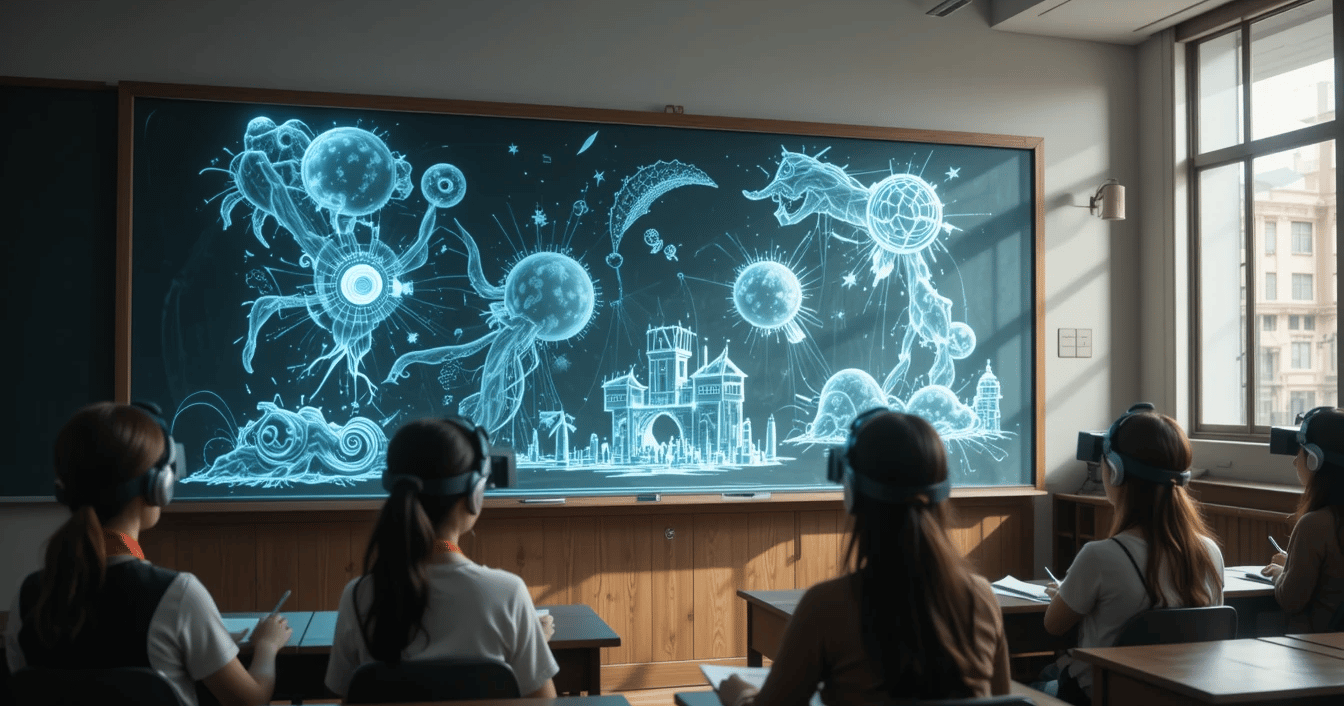
Gone are the days of static desks and chalkboards. Today’s Indian schools are designing spaces that reflect the National Education Policy 2020’s vision of experiential, student-centric learning. Here’s what’s driving this change:
1. Tech-Driven Smart Classrooms
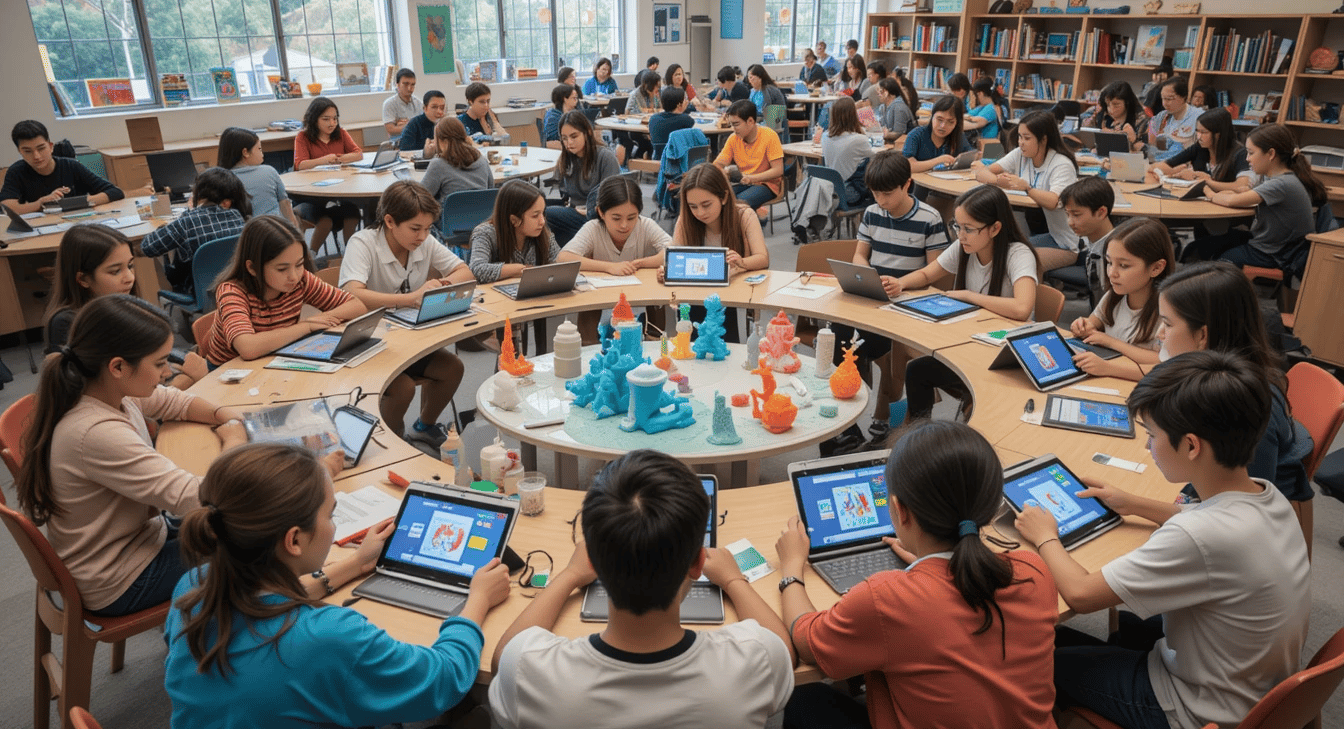
Schools like GIIS and SSRVM integrate Apple TVs, 3D printers, and AI tools to make lessons interactive. Imagine your child dissecting a virtual frog in a STEM lab or coding robots alongside peers—these spaces turn abstract concepts into hands-on adventures.
2. Flexible Seating & Collaborative Zones
Replace rigid rows with bean bags, movable desks, and "learning pods." Such setups encourage teamwork—a skill critical for India’s future workforce.
3.Cultural Integration & Sustainability
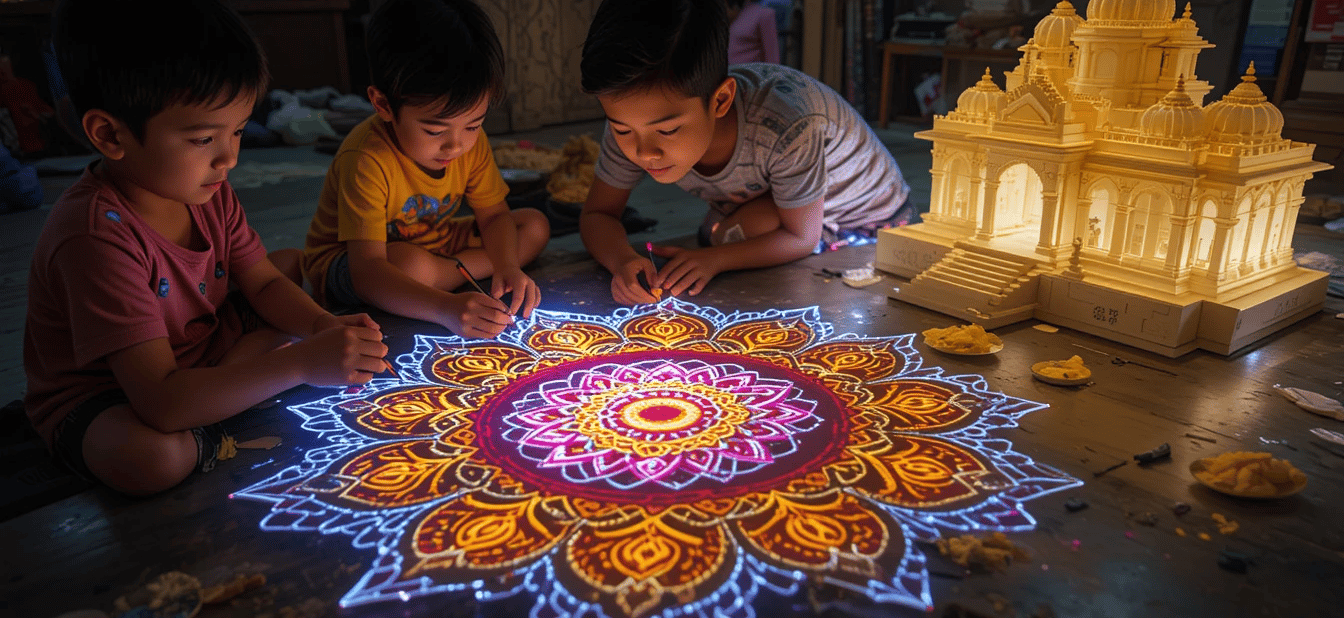
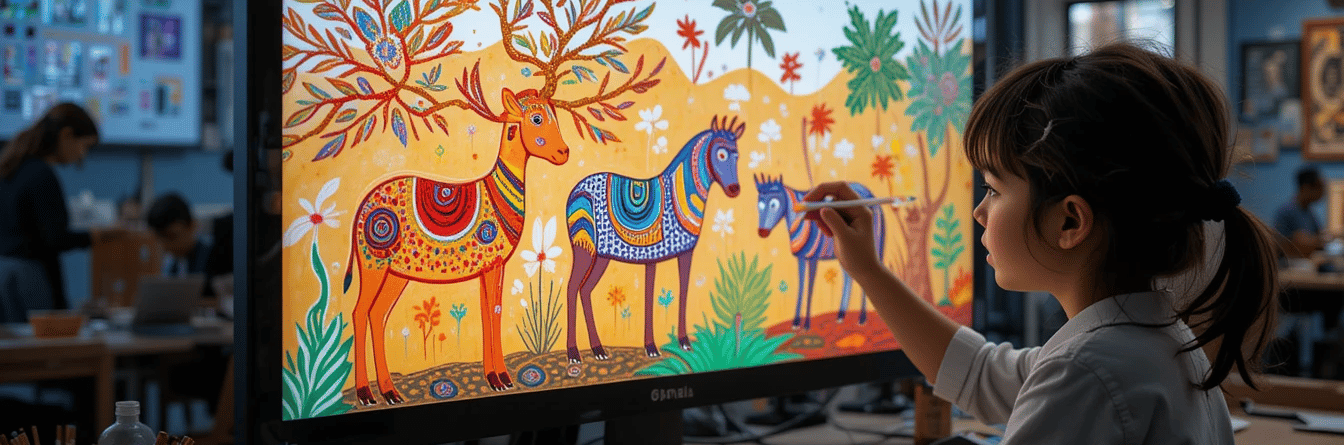
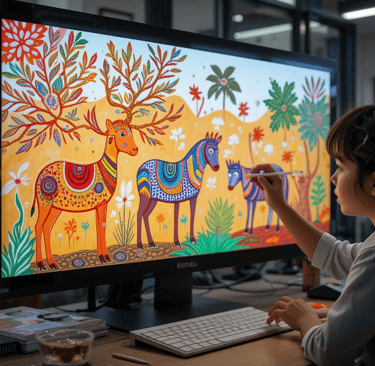
Top CBSE schools blend traditional crafts like Madhubani art or terracotta workshops with tech hubs, fostering pride in heritage while nurturing global citizenship.
How Innovative Spaces Boost Your Child’s Development
For Indian parents, the proof lies in outcomes. Here’s how modern learning environments make a difference:
Critical Thinking & Creativity
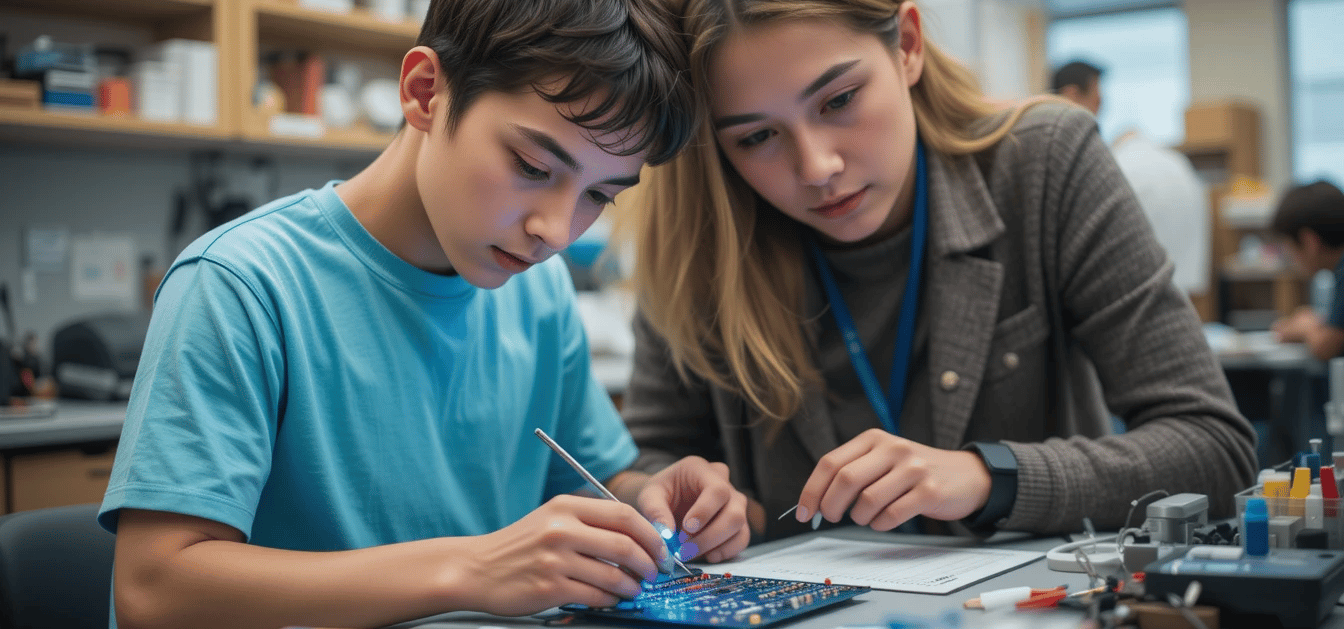
Makerspaces and innovation labs let students design solar-powered gadgets or build mini-robots, moving beyond rote learning
Emotional Well-Being
Quiet corners with sensory tools (like stress balls or calming lights) help manage exam anxiety. Schools like Altera Institute prioritize mental health through yoga zones and green courtyards.Lifelong Learning Habits
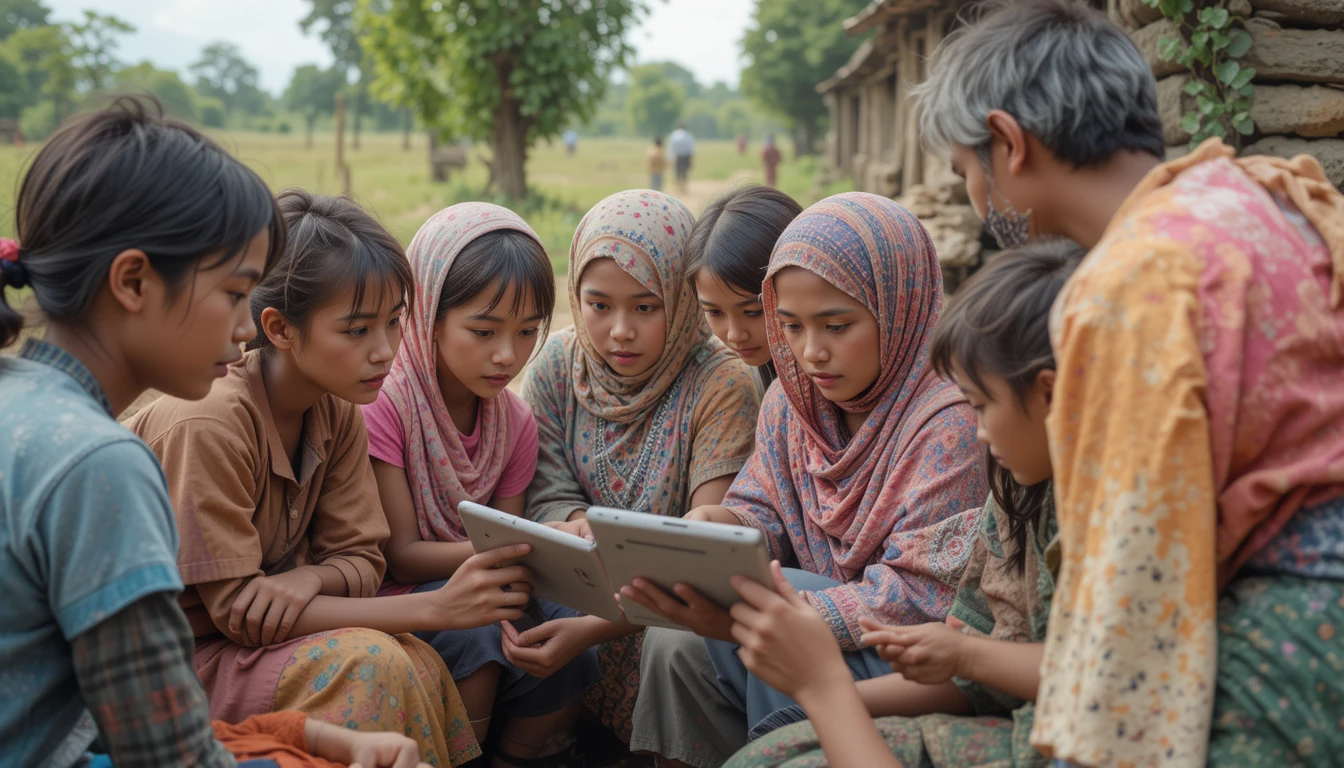
Open libraries with VR headsets and audiobooks cater to diverse learning styles. Rural initiatives like Bharat e-Shiksha’s 3L Program bring hybrid learning to villages via tablets and Smart TVs.
Challenges & Solutions: An Indian Parent’s Perspective
While metro cities embrace innovation, rural and low-income areas face hurdles. Here’s how schools and NGOs are bridging gaps:
Digital Divide
Organizations like Bharat Cares set up Digital Learning Centers (DLCs) in government schools, offering free access to online resources.
Parent Involvement
The Ministry of Education’s Home-Based Learning Guidelines encourage parents to use DIKSHA platforms and activity kits


Cost-Effective Design
Firms like EDI Architects create affordable, modular classrooms with recycled materials, proving innovation needn’t be expensive.
5 Must-Have Features in a Future-Ready School
As a parent, look for these when choosing your child’s school:
1. Adaptable Furniture: Desks on wheels, standing tables, and writable walls.
2. Tech Integration: Smartboards, coding labs, and AR/VR tools.
3. Nature Integration: Rooftop gardens or indoor plants for eco-awareness.
4. Cultural Zones: Spaces for pottery, classical music, or regional language clubs.
5.Safety First: Rounded edges, non-slip floors, and secured heavy furniture.
Conclusion: Partnering for Your Child’s Success
India’s learning spaces are no longer confined to four walls—they’re ecosystems where tradition meets AI, and collaboration trumps competition. As parents, staying informed about these trends ensures your child gains not just marks, but resilience, creativity, and empathy.By blending India’s rich heritage with cutting-edge innovation, today’s learning spaces are shaping tomorrow’s leaders. As a parent, you hold the key to unlocking this potential—one classroom, one conversation at a ti